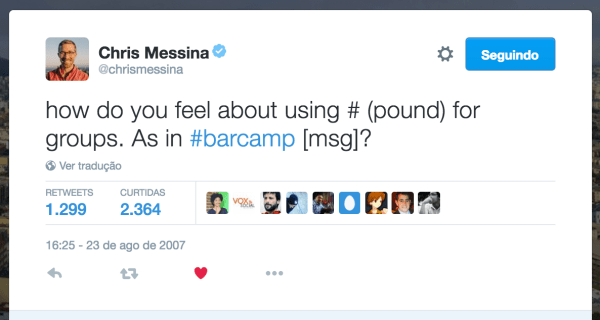
This article seeks to contribute to the field of digital research by critically accounting for the relationship between hashtags and their forms of grammatization—the platform techno-materialization process of online activity.
Continue reading “Digital Methods for Hashtag Engagement Research”Web APIs over the years
Intending to grasp the technicity of digital platforms, I´ve been following up on social media APIs for a while. This model (a work still in progress) also questions what one should look at social media APIs. I argue that the main reason for looking at social media APIs consists of two key strands that allow for the repurposing of digital research (both in theory and in practice).
Continue reading “Web APIs over the years”#EleNão vs. #EleSim
Few weeks before the presidential elections in Brazil, some feminist movements raised their voice across different web platforms and grounded protests (29 September 2018). The tag #EleNão (not him) becomes not only synonymous of a massive movement against the presidential candidate Jair Bolsonarobut it also gives the political polarization in Brazil a new format: Continue reading “#EleNão vs. #EleSim”
Hashtags are not the whole message
Hashtags Studies and related research approaches are commonly explored on Twitter, however, in this forthcoming article André Mintz, Elaine Rabello and myself introduce an approach for hashtag engagement research on Instagram. Our paper systematises approaches which have been explored in the context of two data Continue reading “Hashtags are not the whole message”
Why look at social media APIs?
I was really glad to attend to ECREA Digital Culture and Communication Section Conference, under the theme: Digital Culture Meets Data: Critical Approaches. The conference was held by the University of Brighton, Mithras House on 6 – 7 November 2017. Here is a summary of my talk and the slide presentation. Continue reading “Why look at social media APIs?”